The Gantey Gompa trek is a gentle walk through one of Bhutan’s most beautiful valleys. You start in Phobjikha, the winter home of black-necked cranes, then head into forests of rhododendron and juniper. The passes—Tsele La and Shobju La—are modest, topping out below 3,500 meters, so you’re never gasping for air. Villages like Gogona and Khotokha feel genuinely remote, and farmhouse stays come with butter tea and yak-bell lullabies. The real payoff is looking back across the valley from Gangtey Gompa, the 17th-century monastery perched on the ridge. It’s not an epic. It’s just a really good trek that leaves you rested, not wrecked.
Overview
If you want to trek in Bhutan but don’t fancy being flattened by altitude or sleeping in snow, the Gantey Gompa trek is your sweet spot. It loops through the Phobjikha Valley—that wide, marsh-floored basin where black-necked cranes touch down each winter from Tibet. You’ll spend maybe three or four days walking, depending on your pace, and the hardest part is crossing Tsele La at around 3,400 meters. That’s barely a bump compared to the Snowman’s 5,000-meter passes. The trail snakes through rhododendron forests that explode with color in spring, then opens up to views of Gangtey Gompa perched on a ridge like it’s been there forever. Nights are spent in villages like Gogona and Khotokha, where the guesthouses are basic but the butter tea is bottomless. No bragging rights for bagging a peak here. What you get instead is a quiet, beautiful walk through a valley that feels miles away from everything, even though it’s only a few hours from the capital. If you’ve got ten days total, tack on the cultural tour before and after—Thimphu, Punakha, and the Tiger’s Nest hike—and you’ve got a Bhutan trip that leaves you satisfied, not broken.
Trek Highlights
- The cranes - If you go between November and February, you'll share the valley with black-necked cranes—rare, elegant birds that Tibetans believe are reincarnated monks. Watching them spiral down into the marsh at dusk is worth the whole trip.
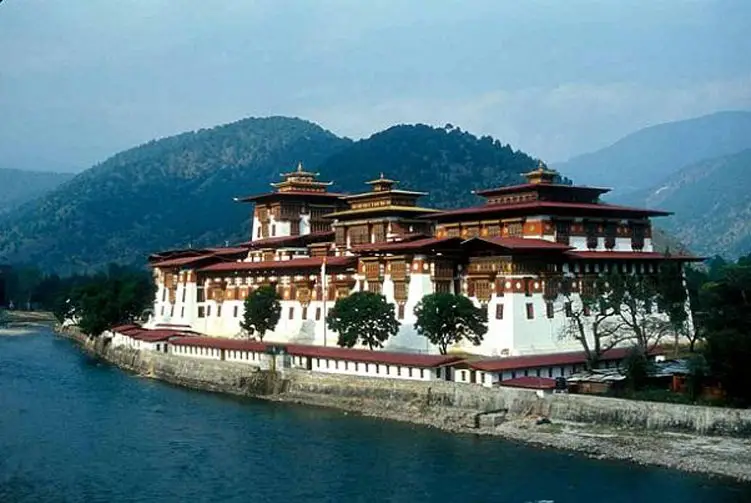
- Gangtey Gompa - A 17th-century monastery plopped on a ridge like it grew there. No gold-plated tourist trap; just monks in maroon robes shuffling between prayer halls, and views that stretch forever across Phobjikha.
- Walking through actual villages - Gogona and Khotokha aren't show villages for tourists. People are out chopping wood, herding yaks, drying chilies on their roofs. You'll nod, maybe get invited in for tea. It feels real because it is.
- Tiger's Nest as a bookend - Most itineraries tack on the Paro Taktsang hike at the end. Sure, it's touristy, but standing 900 meters above the valley looking at that monastery glued to a cliff? Still hits.